

Loading…
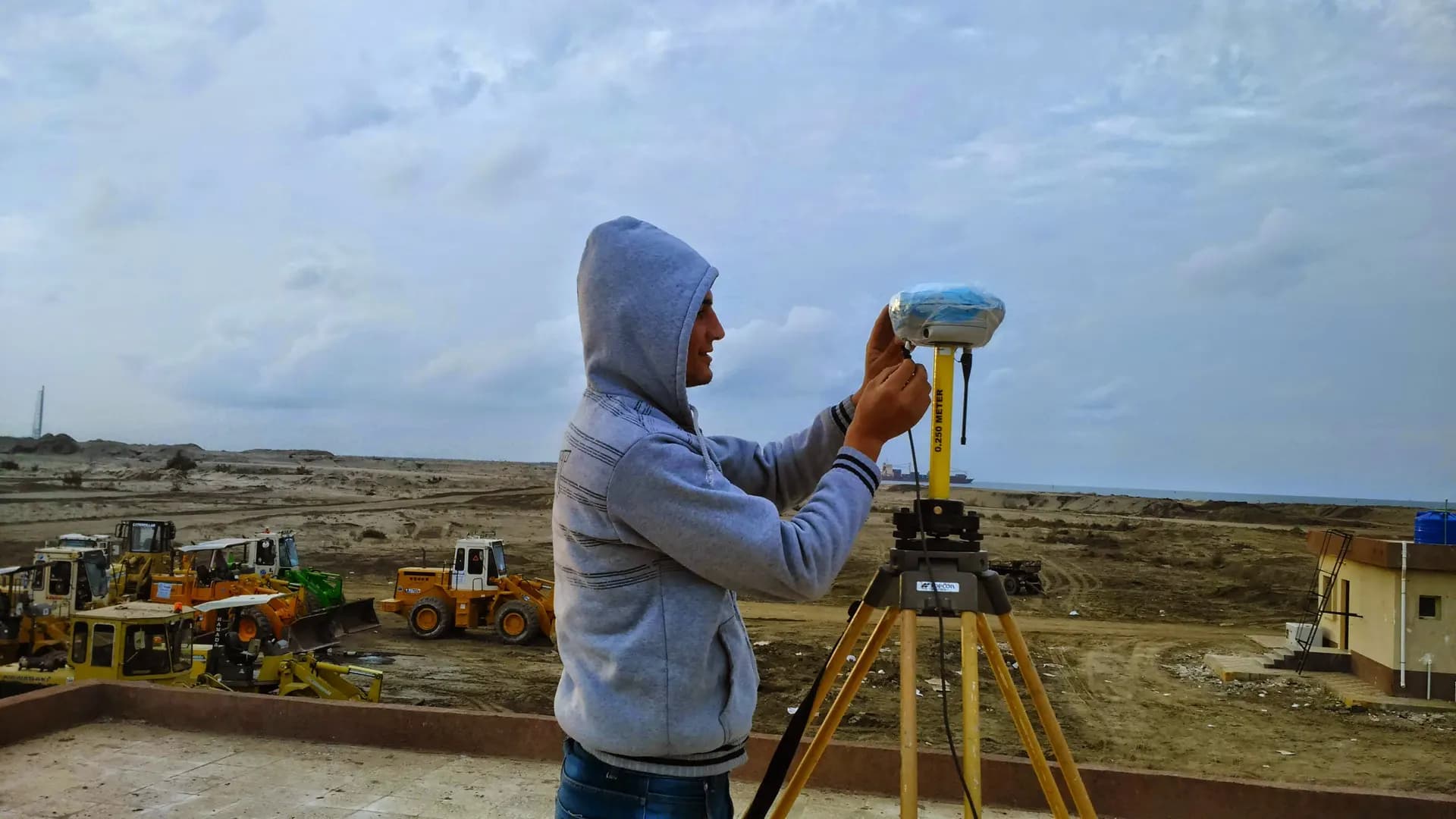
We reveal the condition of your underwater lines before leaks speak: the as-found route is located with side-scan sonar and a pipe tracker tied to GNSS, followed by detailed sonar coverage and visual capture by diver or ROV to document corrosion, seabed exposure and free spans, mechanical damage, and cathodic-protection condition. The result is a condition report with coordinates and a severity rating for every finding plus prioritized repair recommendations — a document maintenance and insurance plans can rely on.
Marine and river pipelines suffer corrosion, exposure, and damage unseen from the surface. Sonar + visual inspection reveals the line's condition and risk points before a costly leak.
Oil and gas companies, water and wastewater utilities, and port authorities operating underwater lines.
Locate the line precisely with sonar
Sonar survey and visual capture via diver/ROV
Analyze corrosion, exposure, and damage
Compile a condition report with recommendations
From our owned 90+ instrument fleet, we deploy the following on this service:
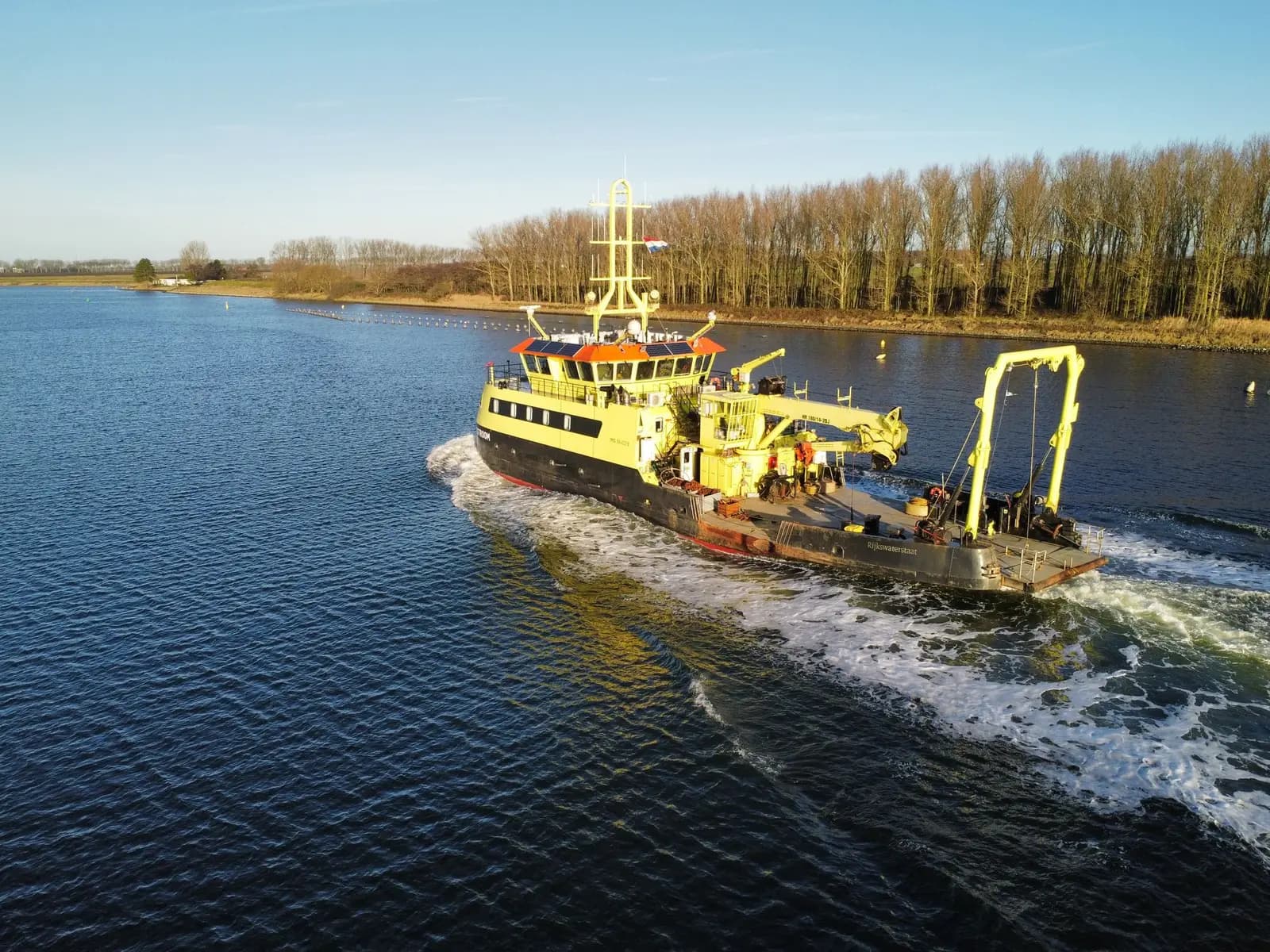
Single-beam echo sounders and survey vessels for bathymetric and hydrographic surveys.
We own and operate our field fleet — our site shots carry the “From our field work” chip, alongside class-reference photos.
We use side-scan sonar and a pipe tracker with GNSS positioning to map the as-found route accurately.
Yes, we inspect lines in both marine and river environments depending on site conditions.
It depends on scope: line length, water depth and setting (marine or river), access method (diver or ROV), the required documentation level, and permit and safety requirements. Periodic inspections under an annual contract get a preferential per-kilometre rate. Share the line data and location and we will return a detailed quote.
We document seabed exposure and free spans, corrosion and visible coating condition, mechanical damage, and encroachments on the line corridor — each finding with coordinates, imagery, measurements, and a severity rating — so the maintenance team knows where to act first and why.
For critical lines (oil, gas, or main water transfer) we recommend annual or semi-annual inspection, plus one after any storm or navigation incident near the corridor. Comparing each survey with the previous one reveals corrosion rates and seabed movement early, turning maintenance into a numbers-driven preventive program.
Real photographs from GeoGiza's field projects across Egypt and the region.
We take the risk off your project — so you can commit with confidence.
If a deliverable misses the agreed accuracy spec, we re-survey and correct it at no extra cost.
We agree the delivery schedule up front and keep you updated at every stage until it's met.
Every engagement is covered by an NDA. Your data and drawings are never shared.
You receive the editable source files (DWG, DXF and more) — full ownership, no lock-in.