

Loading…
We measure your water body’s depths to navigation-grade accuracy: a survey boat fitted with single- or multibeam sonar tied to GNSS-RTK positioning runs a regular line pattern across the project area, with tidal observation and correction tying every reading to the adopted datum. Processing yields a seabed contour map, XYZ points, and dredging or siltation volumes when two surveys are compared — a safe basis for designing ports, bridges, and marine structures and for monitoring bed change.
Designing ports, bridges, and water structures without an accurate picture of the bed puts the project at risk. A bathymetric survey gives you a precise depth map for safe decisions.
Port authorities, marine-works consultants, bridge and water-structure contractors, and dredging companies.
Rig the boat and sonar and tie it to GNSS positioning
Run depth survey lines at appropriate density
Apply tide/current corrections and process the data
Produce the depth map and run QA
From our owned 90+ instrument fleet, we deploy the following on this service:
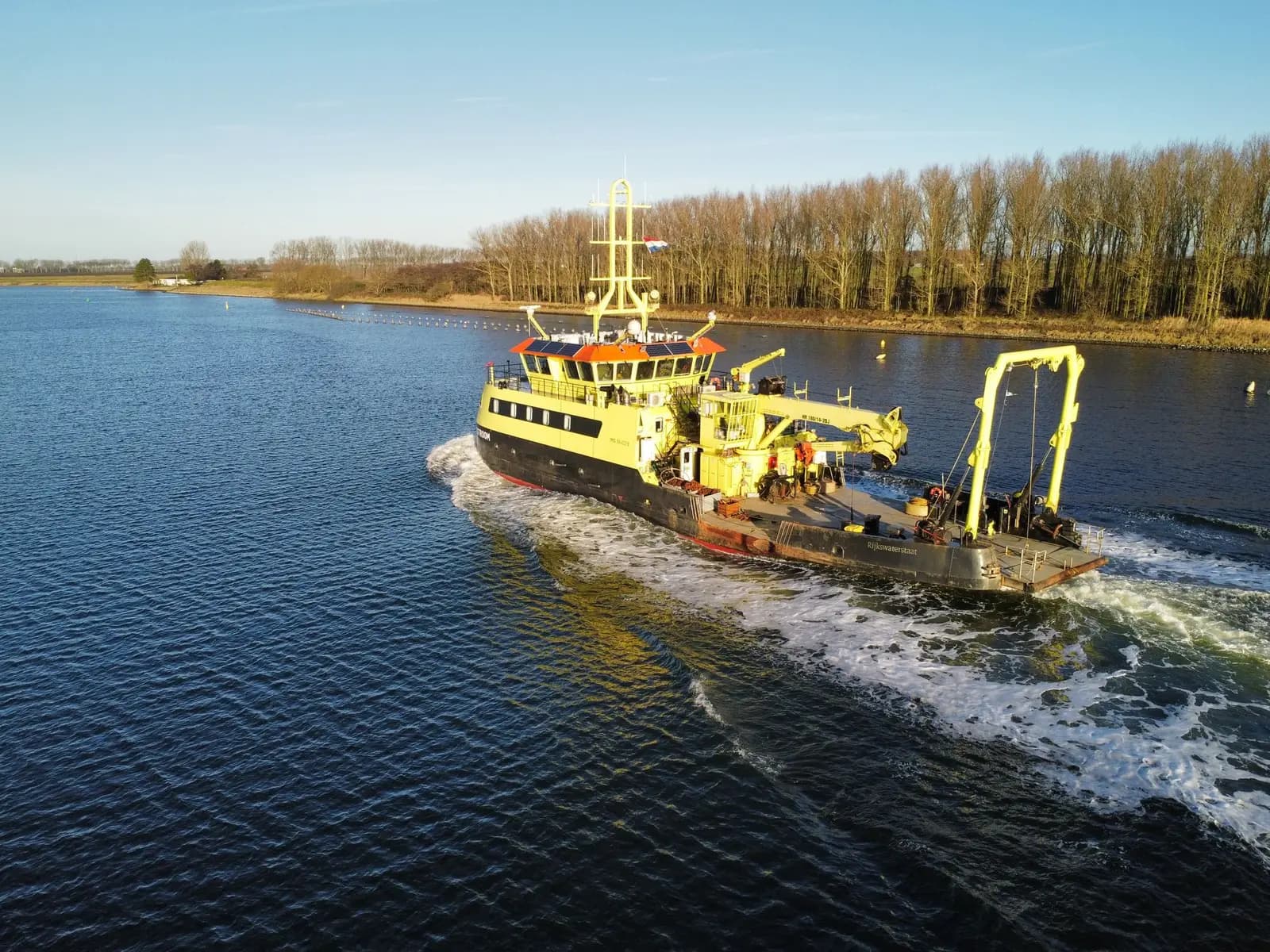
Single-beam echo sounders and survey vessels for bathymetric and hydrographic surveys.
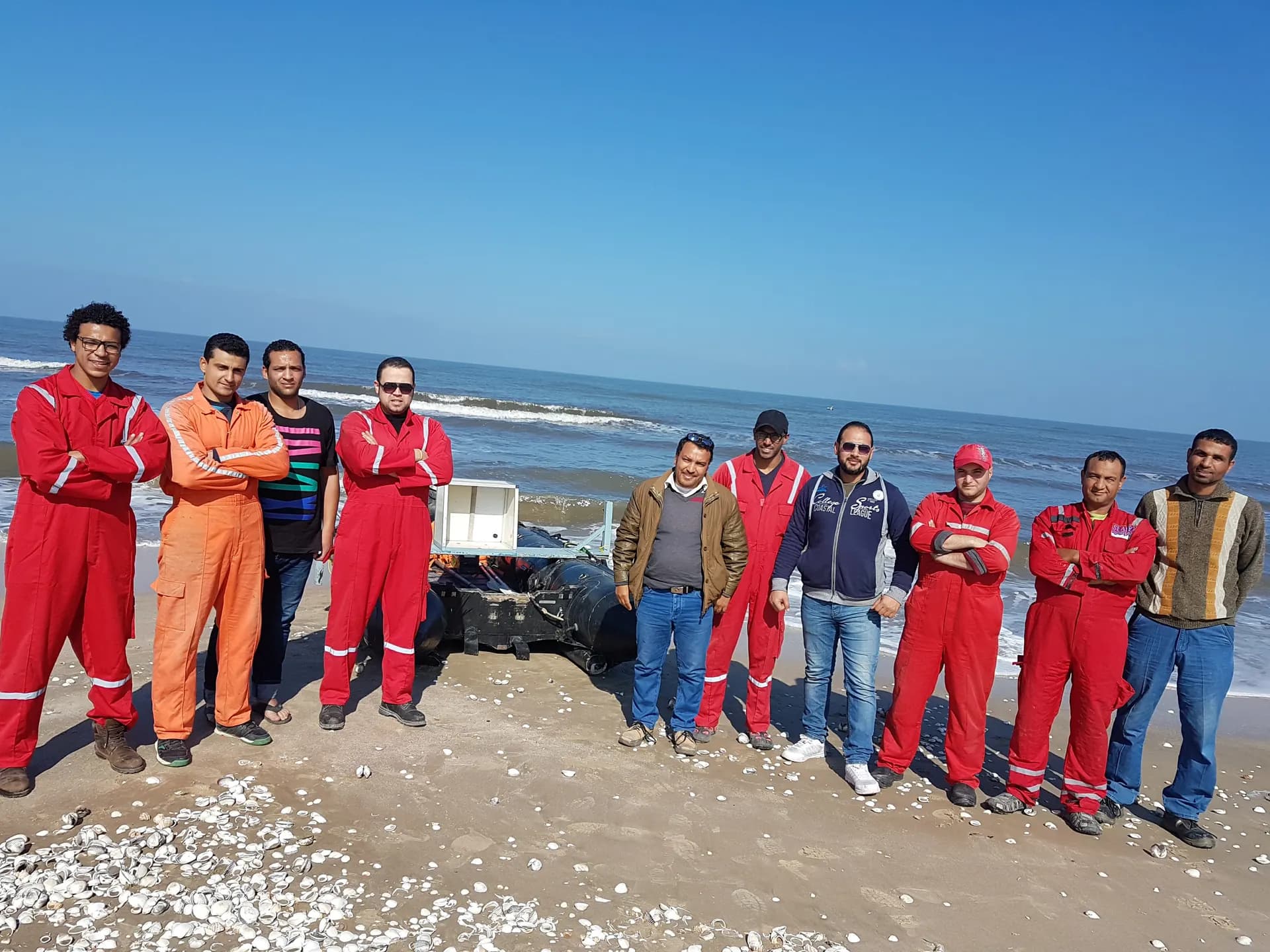
We own and operate our field fleet — our site shots carry the “From our field work” chip, alongside class-reference photos.
Single-beam is economical for regular areas; multibeam gives full-bottom coverage for critical zones and ports — we pick what fits your project.
Yes, we apply tide and current corrections to tie depths to the reference datum accurately.
It depends on scope: survey area, required line density, sonar type (single- or multibeam), and site conditions such as currents, navigation, and permits. Periodic siltation-monitoring surveys get preferential per-mission pricing. Tell us the area boundary and purpose and we will return a detailed quote.
Yes — we survey before dredging and after it, then compute the actual removed volume by comparing the two bed models, a fair and documented basis for settling dredging statements between owner and contractor.
We follow an IHO-aligned hydrographic methodology for line density, depth and positional accuracy, and tide handling, and the survey report documents the instruments used, the adopted datum, and the quality criteria achieved for each area.
Real photographs from GeoGiza's field projects across Egypt and the region.
We take the risk off your project — so you can commit with confidence.
If a deliverable misses the agreed accuracy spec, we re-survey and correct it at no extra cost.
We agree the delivery schedule up front and keep you updated at every stage until it's met.
Every engagement is covered by an NDA. Your data and drawings are never shared.
You receive the editable source files (DWG, DXF and more) — full ownership, no lock-in.